
















Percale Cotton Sheets: What you Need to Know
Percale is one of the two main weaves used to make luxury cotton bedding. Percale sheets have a smooth, matte finish and crisp hotel-style feel. If you love bedding that feels cool, crisp, fresh and breathable, percale cotton could be the perfect choice.
But what exactly is percale cotton? Is it good for hot sleepers? What thread count should you choose? And how does percale compare with sateen weave bedding?
Our percale guide explains everything you need to know about percale cotton sheets and bedding, from how the fabric is woven to how it feels, how long it lasts and what to look for when choosing the best quality percale bedding.
- What is percale?
- What is percale cotton?
- What does percale feel like?
- Is percale soft?
- What are the benefits of percale bed sheets?
- Is percale good for hot sleepers?
- Is percale good for summer?
- What thread count should I choose for percale sheets?
- Egyptian cotton percale: what makes it different?
- Accreditations to insist on
- Percale vs sateen: what’s the difference?
- Should I choose percale or sateen?
- Does percale wrinkle?
- Does percale get softer over time?
- What should I look for when buying percale bedding?
- Who is percale bedding best for?
- How to care for your percale bedding
- Percale cotton sheet FAQs
What is percale?
Percale is a type of weave, rather than a type of cotton. So when considering percale you need to also look at the type of cotton it is made from.
A percale weave uses a simple one thread over, one thread under construction. The threads cross each other evenly in a criss-cross pattern, creating a fabric that feels smooth, crisp and lightweight.
This criss-cross weave gives percale bedding:
- A smooth, flat surface.
- A crisp feel.
- A matte rather than shiny finish.
- Excellent breathability.
- A light, fresh feel against the skin.
Percale bed sheets, duvet covers and pillowcases have a cool and crisp feel.
The main alternative to percale for luxury cotton bedding is sateen, which uses a different weave to create a smoother, silkier and slightly more lustrous finish. At Scooms we also have linen bedding for an airy and relaxed feel and mulberry silk bedding for that oh so silky indulgence.
What is percale cotton?
Percale cotton simply means cotton fabric woven using a percale weave.
The word percale describes how the yarns are woven together, while cotton describes the fibre used to make those yarns.
Not all percale cotton is the same quality. The quality of percale bedding depends heavily on the cotton fibres used, as well as the quality of the yarn, weaving and finishing.
We recommend choosing bedding made from long-staple cotton, such as high-quality Egyptian cotton. Longer cotton fibres can be spun into finer, smoother and stronger yarns with fewer exposed fibre ends.
This helps create percale bedding that is:
- Smoother
- More durable
- Less prone to pilling
- Softer with continued washing and use
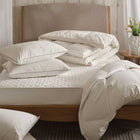
At Scooms, we only use 100% genuine Egyptian cotton for our percale bedding.
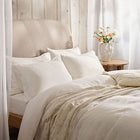
[egyptian-cotton-bedding-white-on-bed-sheets-scooms]
What does percale feel like?
Percale cotton has a distinctive cool, crisp and fresh feel.
Percale is also slightly cooler to the touch than sateen, making it particularly appealing if you:
- Prefer fresh, crisp bedding
- Tend to get warm in bed
- Want lightweight and breathable sheets
- Prefer a matte rather than silky finish
- Like the feel of classic hotel style bedding
Luxury percale should feel crisp without feeling rough or stiff.
Is percale soft?
Yes, good quality percale cotton is soft, but it has a different type of softness from sateen. Percale feels smooth and crisp, while sateen feels silky and more fluid.
Quality cotton percale typically becomes softer and more relaxed with repeated washing while retaining its characteristic fresh feel.
The quality of the cotton is particularly important. Percale made from long-staple cotton, such as Egyptian cotton, can produce finer and smoother yarns than lower quality short-staple cotton. We insist on using 100% certified Egyptian long staple cotton for our percale and sateen bedding.
What are the benefits of percale bed sheets?
Cool and breathable
At the microscopic level percale has more spaces between the woven threads allowing air to circulate more easily through the fabric. This makes cotton percale a good choice if you prefer cool, breathable bedding, particularly during warmer weather. That said we have tested both and find our sateen is also lovely and breathable.
Ideal for hot sleepers
If you regularly feel too warm at night, percale is often a good choice. It is lightweight, breathable and can feel cooler than other bedding.
Your duvet, pillows, mattress, mattress protectors, pillow protectors, room temperature and sleepwear will also affect how warm you feel, but choosing breathable natural materials throughout your bedding can help create a more comfortable sleeping environment.
Crisp and fresh
Percale has the classic freshly washed sheet feel many people associate with luxury hotels. It feels smooth, clean and crisp rather than silky.
Durable
The balanced one over, one under weave creates a strong fabric. When made from high-quality long-staple cotton and cared for correctly, percale bedding can be extremely durable and last for many years.
Naturally breathable cotton
Cotton is a naturally breathable fibre that can absorb moisture, helping create a comfortable sleeping environment throughout the year.
Gets softer with washing
Good quality percale bedding tends to become softer and more relaxed with use and washing without losing its distinctive crisp character.


Is percale good for hot sleepers?
Yes. Percale cotton is one of the best types of cotton bedding to consider if you are a hot sleeper. The open structure of the percale weave creates lightweight and breathable bedding that allows air to circulate more readily than denser fabrics.
For the coolest sleeping environment, look for:
- 100% natural cotton
- A high-quality percale weave
- Long-staple cotton such as Egyptian cotton (we insist on it)
- A 200 - 400 thread count rather than an extremely high one
- Natural fillings in your duvet and pillows
Is percale good for summer?
Yes. Percale is an excellent choice for summer bedding because it feels light, cool and breathable. Its crisp texture does not cling closely to the body in the same way as some softer, heavier fabrics.
However, you do not need to only use percale for summer. High quality cotton percale is suitable for year round use, particularly if you naturally prefer cooler feeling bed linen.
What thread count should I choose for percale sheets?
We tested lots of sheets and found that 200 - 400 thread count is ideal for percale sheets, providing the perfect balance of softness, crispness, breathability and durability. Any lower and your sheets will feel cheap and thin. Higher and percale will be heavier and less breathable, which works against the cool, lightweight characteristics that make percale.
Thread count tells you approximately how many threads are woven into one square inch of fabric. However, a higher thread count does not automatically mean better quality bedding. The quality of the cotton fibre, yarn and weave is just as important.
Egyptian cotton percale: what makes it different?
Egyptian cotton percale combines two separate qualities: Egyptian cotton describes the cotton fibre. Percale describes the weave. High-quality Egyptian cotton is prized for its long fibres, which can be spun into fine, strong and smooth yarns. You get a better weave from these long fibres.
However, products described as “Egyptian cotton” can vary considerably. Always check that the cotton is genuine Egyptian rather than relying on the words Egyptian cotton alone. Our Scooms percale bedding is made using 100% genuine certified Egyptian cotton.
Accreditations to insist on
Certifications and accreditations can help you understand more about the materials used to make your bedding.
OEKO-TEX® - Look for bedding certified to OEKO-TEX® STANDARD 100, which means the textile has been tested against limits for a wide range of harmful substances.
Genuine Egyptian cotton - When buying Egyptian cotton bedding, look for recognised verification of the authenticity of the cotton.
This helps distinguish genuine Egyptian cotton from products where the description may simply be used as a marketing term. At Scooms, we believe you should always know exactly what you are sleeping in.

Percale vs sateen: what’s the difference?
Percale and sateen are the two most common weaves used for high quality cotton bedding. Neither is better. The best choice depends mainly on how you like your bedding to feel. We use both at home and love the feel of each. It might also be worth taking a look at linen bedding and silk bedding.
Percale
Percale uses a simple one over, one under weave. It typically feels crisp and cool, is lightweight and breathable. It usually has a matte finish.
Sateen
Sateen uses a weave in which threads pass over several threads before going under another. It typically feels silky and smooth and can be slightly warmer than percale.
Both percale and sateen are breathable and make lovely bedding.
Should I choose percale or sateen?
Choose percale if you prefer:
- Cool, crisp bedding
- A fresh hotel sheet feel
- Lightweight and breathable sheets
- A matte finish
- Bedding for warmer sleepers
Choose sateen if you prefer:
- Silky, smooth bedding
- A softer and more fluid feel
- Slightly warmer feeling sheets
- A subtle sheen
- Bedding that drapes closely around you
Does percale wrinkle?
Yes, percale cotton can wrinkle more easily than sateen. This is partly due to its crisp plain weave and the natural characteristics of cotton.
A few natural creases are part of the relaxed look and feel of genuine cotton bedding.
To reduce wrinkles:
- Remove bedding promptly from the washing machine
- Shake it out before drying
- Avoid overloading your washing machine or tumble dryer
- If tumble drying, remove bedding while it is still slightly damp
- Put bedding straight onto the bed or fold it promptly
You can iron percale bedding if you prefer a completely smooth, hotel style finish. We only iron our pillowcases.
Does percale get softer over time?
Yes. High quality cotton percale generally becomes softer with washing and use.
Fresh percale sheets may initially feel quite crisp. Over time, the cotton fibres relax, creating a softer and more comfortable feel while maintaining the breathable character of the weave.
Avoid using fabric softener unless recommended by the care instructions. Fabric softeners coat fibres and can affect the natural feel and absorbency of cotton.
What should I look for when buying percale bedding?
Not all percale bedding is equal. When comparing percale sheets, duvet covers and pillowcases, look for the following:
1. 100% natural cotton
Check the fibre composition rather than assuming all percale is made from the same material. We recommend choosing 100% cotton rather than cotton polyester blends if you want the natural breathability and feel of cotton.
2. Long-staple Egyptian cotton
Longer cotton fibres create smoother, stronger yarns. High quality Egyptian cotton is the best and what we use.
3. 400 thread count
We tested lots of thread counts and found 400 to be the best. Any lower and the fabric feels thin and cheap. Higher and you lose the percale properties.
4. Independent textile certifications
Look for trusted certifications such as OEKO-TEX and the Egyptian cotton standard.
5. Genuine Egyptian cotton accreditation
When buying Egyptian cotton bedding, look for evidence that the cotton is authentic.
6. Good construction and finishing
Small details matter. Well-finished seams, strong stitching and carefully made closures can all contribute to how your bedding looks, feels and lasts.
7. 60 night trial
Our Scooms bedlinen comes with a 60 sleeps' trial. Love it or return it: If you don’t love your percale bed linen, return it within 60 nights of your purchase and we’ll give you a full refund. We understand just how important it is to have the right bedding; after all you do spend a third of your life in bed.


Who is percale bedding best for?
Percale bedding could be right for you if you:
- Get hot during the night
- Prefer cool sheets
- Love crisp hotel style bedding
- Want breathable natural cotton
- Prefer a matte rather than silky finish
- Want bedding that feels fresh and lightweight
Percale may be less suited to you if you prefer bedding that feels very silky, fluid and slightly warmer. In that case, you may prefer sateen bedding. Or take a look at linen and silk bedding.
How to care for your percale bedding
Always check the care label on your percale bed sheet. Most cotton sheets should be machine washed at 30° or 40° once a week using non-bio detergent, then either line dried or tumble dried, at low heat if stated on the care label. Take a look at our Scooms bedlinen care guide.
Percale cotton sheet FAQs:
Percale vs. sateen sheets
Percale sheets are made with a plain weave giving the fabric a matte finish and a crisp and cool feel. Sateen sheets are crafted with a more complex satin weave resulting in a soft and silky feel. Percale sheets and sateen sheets are both high quality cotton fabric weaves. Neither weave is better than the other, it depends which one you like more.
Are percale sheets good for hot sleepers?
Yes, percale cotton is lightweight and breathable, making it a good choice for hot sleepers and anyone who prefers cool feeling bedding.
What is the best thread count for percale sheets?
A 200 - 400 thread count is the best for percale sheets. Any lower and they feel thin and cheap.
Is percale the same as Egyptian cotton?
No. Percale describes the weave, while Egyptian cotton describes the cotton fibre. Egyptian cotton percale combines high quality cotton with a crisp percale weave.


